The weather has really warmed up, and summer officially begins later this month. As the temperatures start to rise, many of us are looking forward to spending more time outdoors. Whether it’s beach trips, hiking, camping, festivals, BBQs, paddleboarding, or simply enjoying the garden, this time of year brings plenty of opportunities to make memories with family and friends.
But outdoor fun also can also see an increased risk of certain accidents and medical emergencies. From heat exhaustion and dehydration to burns, bites, and water-related incidents, knowing some basic first aid can help you stay safe and confident throughout the spring and summer months.
Here are some essential first aid tips to keep in mind before heading outdoors.
Be Prepared for Heat-Related Illness
Hot weather can quickly lead to dehydration, heat exhaustion, or even heatstroke if we’re not careful (which is a serious medical emergency).
Signs of Heat Exhaustion
- Dizziness, weakness or fainting
- Excessive sweating
- Headache
- Nausea or vomiting
- Muscle cramps
- Pale, clammy skin or a heat rash (which may be harder to see in black or brown skin, check palms of hands or soles of feet)
- High temperature
- Being very thirsty
What To Do
- Move the person into a cool shaded area
- Encourage slow sips of water or a rehydration/sports drink
- Loosen tight clothing, remove excess layers
- Cool the skin with damp cloths or fans
- Rest until symptoms improve
The person should start to feel better within 30 minutes. If symptoms worsen, the person stops sweating, confusion develops, the person becomes unresponsive or has a seizure, call 999 immediately as this could indicate heatstroke, a life-threatening emergency. If the person does lose consciousness place them in the recovery position while you wait for help.
Don’t Underestimate Dehydration
It’s easy to forget to drink enough water when you’re busy enjoying yourself outdoors.
Top Tips
- Carry water wherever you go (this makes such a difference for me, I drink far more when I have a water bottle with me!)
- Drink regularly, not just when thirsty
- Limit alcohol in hot weather
- Encourage children and older adults to drink frequently
Dark urine, dry mouth, tiredness, and headaches can all be early warning signs of dehydration.
Treat Burns Quickly
Disposable BBQs, campfires, fire pits, and hot surfaces become much more common during warmer months.
For All Burns
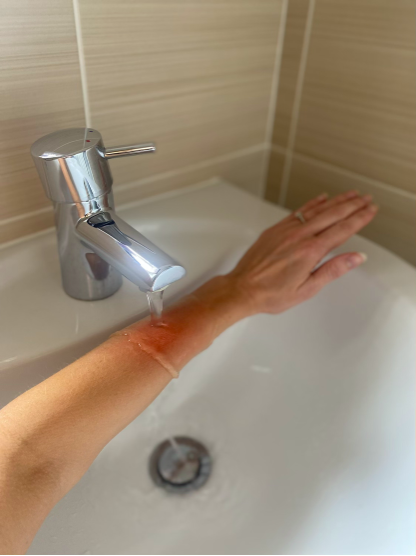
- Cool the burn under cool running water for 20 minutes
- Remove jewellery or tight items if it is not stuck to the skin
- Cover loosely with cling film or a non-fluffy sterile dressing
Avoid using butter, creams, or ice directly on burns.
Seek medical advice for larger burns, burns to the face/hands/genitals, or any burn causing significant blistering.
Know How to Respond to Bites and Stings
If a sting is left behind, you need to remove it carefully and wash the area with soap and water.
Bee Sting – Scrape sideways with your fingernail, do not pull or use tweezers.
Tick – Use fin-tipped tweezers to grasp the tick as close to the skin as possible and pull out slowly.
An ice pack and painkillers can be used to ease discomfort.
Most insect bites and stings are mild, but some people may experience severe allergic reactions.
Watch for:
- Swelling around the face or throat
- Difficulty breathing
- Wheezing
- Dizziness or collapse
- Vomiting or diarrhoea
These could be signs of anaphylaxis and require an immediate 999 call.
If someone has an adrenaline auto-injector, help them use it if needed and follow emergency advice.
Water Safety Matters
Wild swimming, paddleboarding, boating, and beach trips are increasingly popular during the warmer months.
Remember:
- Never enter water to rescue someone
- Call 999 and ask for the Coastguard if at the coast
- Encourage the person to float on their back if they’re struggling in water. They should tilt their head back and submerge their ears, relax and control their breathing while gently moving their hands and legs.
- Be cautious of cold water shock, even on warm days
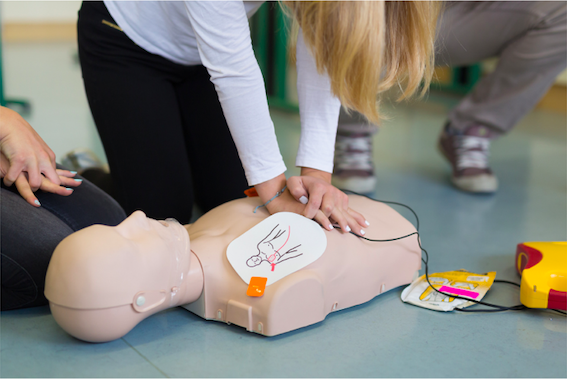
After any water incident, monitor for breathing difficulties or signs of hypothermia. If the casualty is not breathing normally start CPR Your Guide to CPR | First Class First Aid and call 999.
Pack a Summer First Aid Kit
A small first aid kit can make a huge difference during days out or holidays.
Useful Items Include:
- Plasters
- Sterile dressings
- Bandages
- Sterile wipes
- Tweezers
- Sun cream
- Insect bite cream
- Rehydration sachets
- Disposable gloves
- Any personal medications
Keeping a kit in the car, picnic bag, or backpack is a simple but effective habit.
Be Ready for Everyday Accidents
Outdoor activities often mean more cuts, scrapes, sprains, and falls – especially with children enjoying bikes, scooters, trampolines, and parks.
Knowing how to:
- Control bleeding
- Support a sprain
- Recognise concussion
- Place someone in the recovery position
- Perform CPR
can make all the difference while waiting for emergency services.
Confidence Saves Lives
First aid isn’t just for workplaces or healthcare professionals. Emergencies can happen anywhere; at the beach, in the garden, on holiday, or during a family day out.
Learning a few simple first aid skills can help you stay calm, act quickly, and potentially save a life this summer.
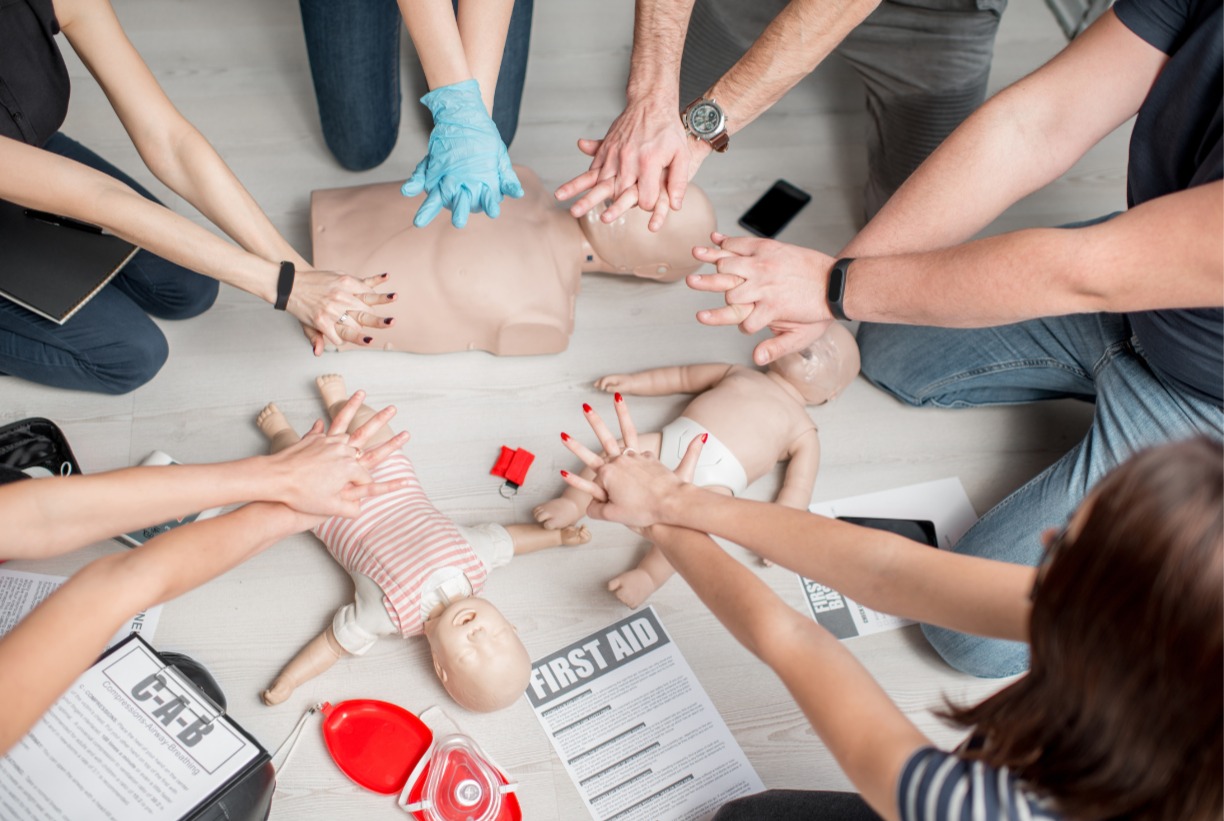
If you’d like to build your confidence before the busy summer season, now is the perfect time to book a first aid course and learn practical, life-saving skills in a relaxed and supportive environment. Get in touch for more info First Aid Courses and Classes in Norfolk | First Class First Aid
Stay safe, enjoy the sunshine, and have a fantastic summer outdoors!