Bleeding is something we are all likely to encounter at some point.
Whether we’re in the workplace, at home or out and about, there are many bleeding scenarios we could encounter; from a minor cut or graze to a much more serious injury. Knowing how to respond can make a difference, particularly when bleeding is heavy or difficult to control.
Ideally, we need to wear gloves when dealing with open wounds: for our own protection and to help prevent infection. If we do not have gloves, we can ask the casualty to assist with covering the wound and applying pressure, if they are able.
Dealing with minor cuts and grazes
Most minor cuts and grazes can be treated relatively simply.
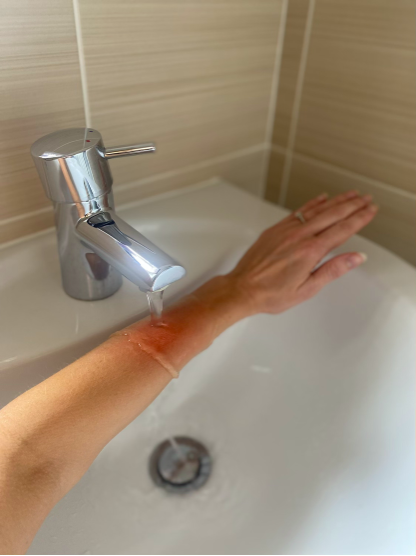
Inspect the wound to make sure nothing is embedded. If there is nothing in the wound clean with water and a mild soap or sterile wipes, and cover with a plaster or dressing. If the wound is bleeding, apply pressure using a bandage or a clean, folded cloth (or any material we have that is ideally clean and absorbent). When bleeding has stopped, we can then clean and cover the wound with a plaster or dressing.
We don’t need to use any harsh antiseptic liquids to clean wounds, they can actually damage skin tissue and delay healing.
It is also important to keep an eye on the wound afterwards. Increasing redness, swelling, pain, pus or feeling generally unwell can be signs of infection and may require medical advice.
Keep the dressing clean and dry, replacing as often as needed for a few days until the wound has closed. This will promote healing and help to prevent infection.
What if the bleeding is heavier?
Heavy bleeding needs to be taken seriously. Now our priority is to stop the bleed.
If a wound is bleeding a lot, apply firm pressure using a bandage or clean, folded cloth. If there is something embedded in the wound, do not try to remove it and do not press directly on the object. Instead, apply pressure either side of it. It must be removed by medical professionals.
If blood comes through the dressing, continue applying pressure with a new dressing and only secure a bandage once bleeding is under control. If we cannot control the bleeding, call 999 for medical help.
Do not keep removing the original dressing to see whether the bleeding has stopped. Maintaining pressure is important.
If bleeding is not life threatening we can raise a limb to help slow the bleeding, but applying pressure must remain the priority.
We can check circulation to make sure the bandage is not too tight. Press on the skin beyond the bandage for 5 seconds until it turns pale, then check that the colour comes back within 2 seconds. If the colour does not come back within 2 seconds, loosen the bandage slightly.
What about nosebleeds?
Nosebleeds are another common form of bleeding and can look much worse than they actually are.
To treat a nosebleed our casualty needs to lean forward and pinch the soft part of the nose just above the nostrils for 10 minutes. The person should breathe through their mouth. Leaning backwards is not recommended!
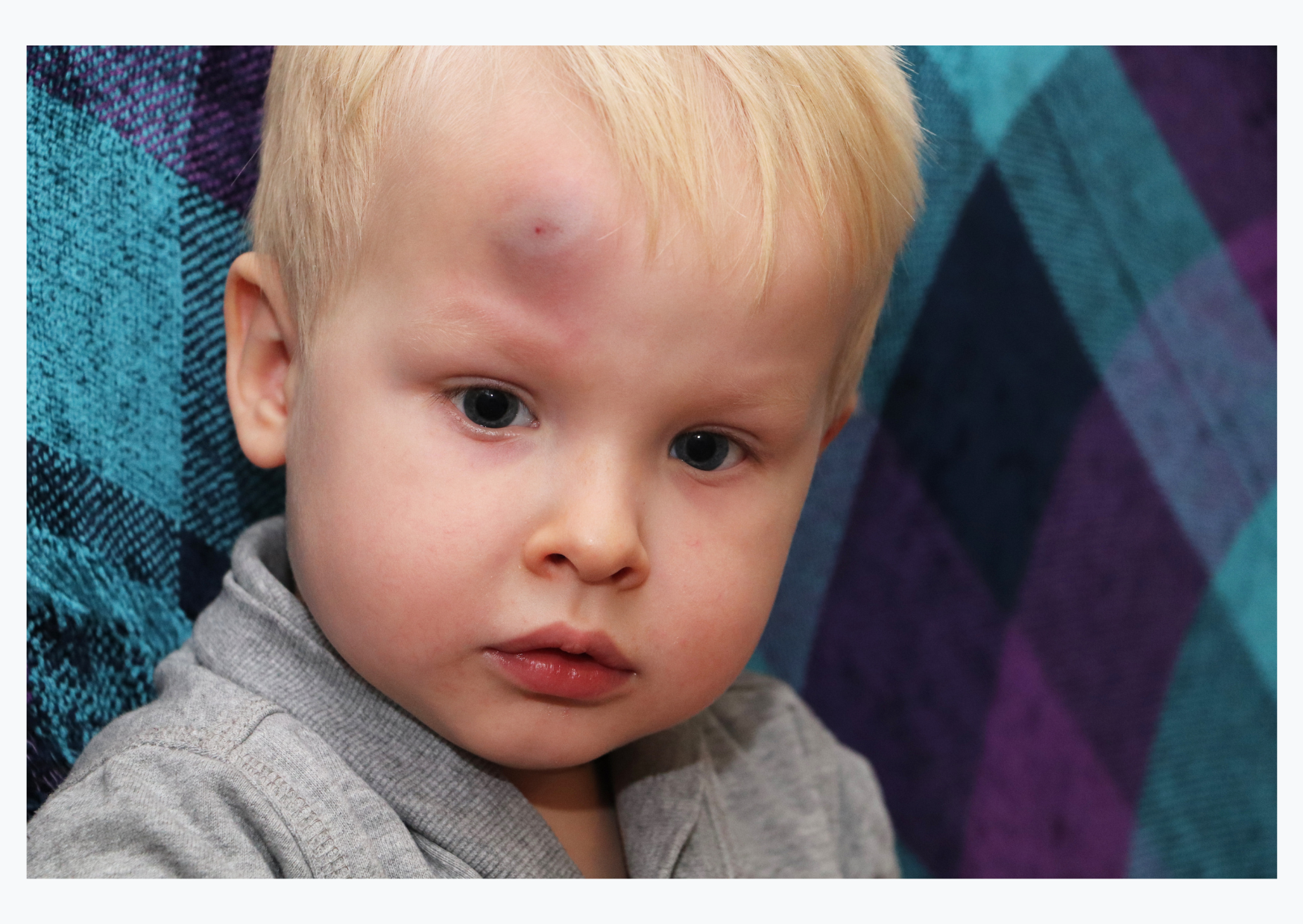
Continue this for 10-minute intervals, stopping to check if the bleeding has stopped. However, if the bleeding continues for 30 minutes, is excessive, follows a blow to the head or the person feels weak or dizzy, urgent medical assessment is needed.
Recognising life-threatening/catastrophic bleeding
The importance of quickly attending to life-threatening bleeding is emphasised by its recent inclusion in the Primary Survey. The 2025 Resuscitation Council UK guideline update emphasises paying immediate attention to catastrophic/life-threatening bleeding alongside safety and responsiveness, before progressing to airway and breathing checks. You can read more about the updated guidelines here: From DR ABC to DR C ABCDE – What First Aiders Need to Know | First Class First Aid
The reason is simple. Someone who is losing a large amount of blood can deteriorate and lose their life very quickly. If you see life-threatening bleeding, it needs to be dealt with immediately.
Life-threatening or catastrophic bleeding is identified by:
- Blood spurting or pumping from the wound, indicating an arterial bleed
- Bleeding that cannot be controlled with direct pressure
- Rapid blood loss soaking through clothing or bandages
- Bleeding from a major blood vessel (e.g., deep wounds to the neck, groin, armpit or limbs)
- Partial or complete amputation of a limb
What should you do?
Call 999 and apply firm, direct pressure to the bleeding site. The call handler will talk you through the steps to take. If a PAcT kit (Public Access Trauma Kit) or bleed kit is available, we should utilise the specialised equipment it contains.
The important message for everyone is to recognise severe bleeding and act quickly.
Are you prepared at work?
Bleeding injuries can happen in almost any workplace.
A sharp edge, piece of equipment, a fall or an everyday accident could result in anything from a minor cut to a serious injury.
Your first aid kit should be accessible and appropriate for the risks in your workplace. Your employees should also know where it is and who the trained first aiders are.
Most importantly, first aiders need to feel confident putting their training into practice.
From a plaster to a 999 call
Bleeding can range from something that needs little more than a plaster to an emergency where every second matters.
Knowing the difference is an important first aid skill.
So, take a moment to think about your workplace.
Would your team know what to do if someone suffered a minor cut?
Would they know how to manage heavier bleeding?
And would they recognise when bleeding has become life-threatening and know to call 999?
Good first aid starts with recognising what is happening and knowing what to do next. If you’d like to talk about your workplace first aid cover, fell free to get in touch and talk through your options: First Aid Courses and Classes in Norfolk | First Class First Aid