When we’re talking about heart related emergencies, it can be easy to confuse conditions such as angina, heart attack, and cardiac arrest, but they are all very different. Understanding the differences is vital, especially when it comes to recognising a life-threatening emergency and taking action quickly.
A Quick Overview
- Angina = Warning sign (reduced blood flow to the heart)
- Heart Attack = Circulation problem (blocked blood supply)
- Cardiac Arrest = Electrical problem (heart stops beating)
While all are serious, cardiac arrest is immediately life-threatening and requires urgent CPR and defibrillation.
What is Angina?
Angina is not a heart attack; it’s a symptom of underlying heart disease.
- Caused by narrowed, blocked or tightening coronary arteries
- Reduces oxygen-rich blood flow to the heart
- Often triggered by exertion or stress
- Feels like:
- Chest tightness, squeezing, heaviness or a dull ache
- Pain spreading to arm, neck, or jaw
- Sick, breathless, dizzy or sweaty
Key points:
- Angina attacks usually last less than ten minutes and should improve with rest or medication
- However, it can be a warning sign of an impending heart attack. If you’re not sure or have not been diagnosed with angina, call 999
What is a Heart Attack?
A heart attack (myocardial infarction) happens when blood flow to part of the heart is blocked, usually by a clot.
- The heart muscle is starved of oxygen
- Damage begins within minutes
- Without treatment, part of the heart muscle can die
Important: Symptoms are not always the same
Symptoms can vary significantly from person to person, however
Common symptoms include:
- Chest pain (tight, heavy, or squeezing)
- Pain spreading to arm, neck, jaw, or back
- Shortness of breath
- Sweating, nausea, or feeling unwell
- A sense of impending doom
Key points:
- The person is usually conscious and breathing
- It is a medical emergency, but the heart is still beating
Heart Attack Symptoms in Women
The NHS highlights that women are more likely to experience less typical symptoms, which can sometimes be missed or mistaken for something less serious.
Women may experience:
- Sudden extreme fatigue (even days before)
- Shortness of breath without obvious cause
- Pain in the back, shoulders, neck, or jaw
- Indigestion-like discomfort or stomach pain
- Feeling dizzy, lightheaded, or faint
- Nausea or vomiting
Key points:
- Chest pain may be mild, or not present at all
- This can delay recognition and treatment
What is Cardiac Arrest? (The Critical Difference)
Cardiac arrest is when the heart suddenly stops pumping blood around the body.
This is often caused by a fault in the heart’s electrical system, leading to a dangerous rhythm.
What happens:
- The person collapses suddenly
- Unconscious and not breathing normally
- No effective circulation
Without immediate help, death occurs within minutes.
Cardiac Arrest vs Heart Attack: The Key Differences
Heart Attack:
- Circulation problem (blocked artery)
- Heart is still beating
- Person usually conscious
- Requires urgent medical treatment
Cardiac Arrest:
- Electrical problem (heart stops beating)
- No pulse, no breathing
- Person unconscious
- Requires immediate CPR and defibrillation
A heart attack can trigger a cardiac arrest, but they are not the same condition.
What Should You Do?
If you suspect angina:
- Stop and rest immediately
- Help the person sit down and stay calm
- Assist with their usual medication (e.g. GTN spray/tablets) if they have it
- Symptoms should improve within a few minutes
Call 999 if:
- Symptoms don’t improve after 5 minutes
- They are worse or different than usual
- It’s their first episode
If you suspect a heart attack:
- Call 999 immediately
- Sit the person down and keep them calm
- If you have aspirin and the person is not allergic, ask them to slowly chew and swallow a 300mg tablet
If you suspect a heart attack do not wait for “classic” symptoms, heart attacks can present differently, especially in women.
If someone is in cardiac arrest:
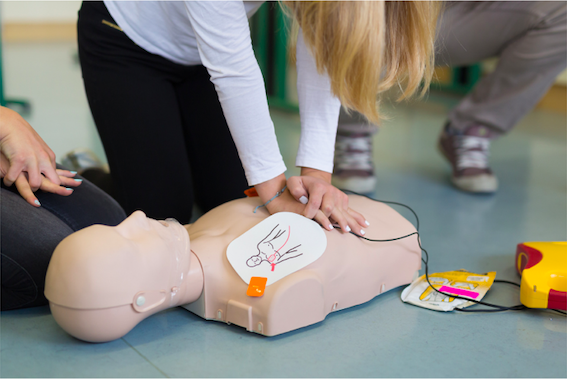
- Call 999 and start CPR immediately
- Send for a defibrillator (AED)
- Follow instructions until help arrives
The Resuscitation Council UK emphasises that early CPR and defibrillation are critical links in the Chain of Survival, dramatically improving outcomes.
Why This Matters
Many people confuse heart attack and cardiac arrest, but the response is very different:
- A heart attack needs urgent medical care
- A cardiac arrest needs immediate lifesaving action from bystanders
Final Thought
Angina warns you.
A heart attack damages the heart.
But cardiac arrest stops the heart. Knowing what to look for and having the confidence to act, can save a life.
Do you want to feel confident in an emergency?
If you’d like to build your confidence and learn these lifesaving skills in a relaxed, hands-on environment, I’d love to welcome you onto a course.
Whether you’re a workplace first aider or if you just want to expand your skills and knowledge, my training is designed to give you practical skills you can trust when it matters most in a friendly, supportive environment.
Get in touch to find out more or book your place on an upcoming course with First Class First Aid. First Aid Courses and Classes in Norfolk | First Class First Aid